Aeronautical and Aerospace

Who Is an Aerospace Engineers?

Aerospace/Aeronautical engineers design primarily aircraft, spacecraft, satellites, and missiles. In addition, they create and test prototypes to make sure that they function according to design; One of the newest branches of engineering, the field of aerospace engineering has changed dramatically since it began in the 19th century, and is expected to continue to evolve in pace with technological advancements. As such, the job outlook for aerospace engineers is equal to that for all occupations. Specifically, aerospace engineers are working to design more environmentally friendly aircraft which produce less noise pollution with enhanced fuel efficiency.
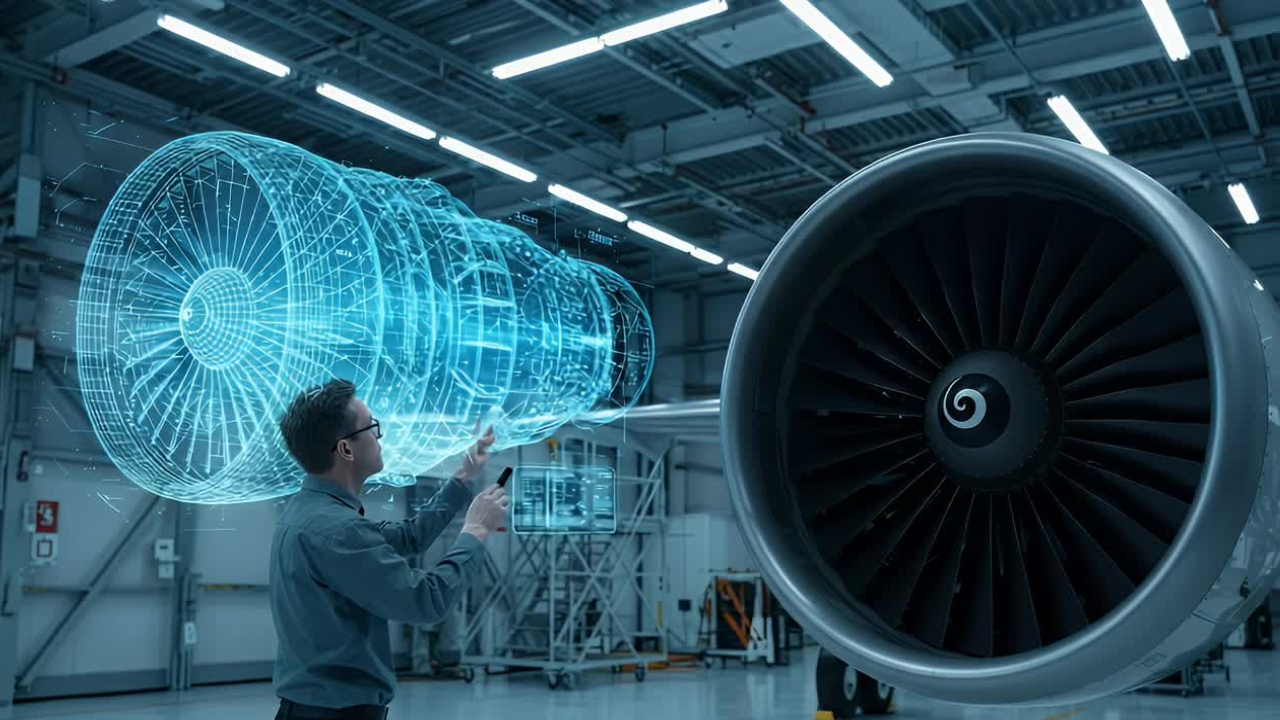
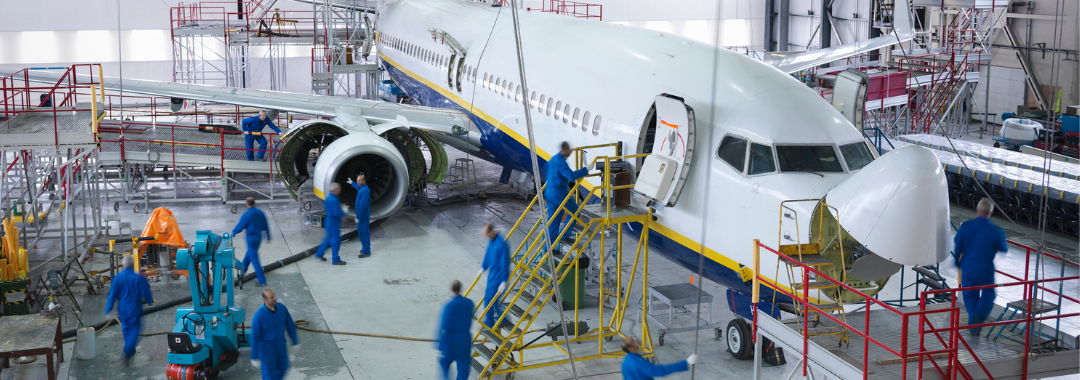
Aviation students working on aircraft
 
 
Airplane illustration
Scholarship Exam

International Aviation Scholarship and Aptitude Test (IASAT) 2026

REGISTRATIONS STARTING FROM 01 OCTOBER 2025
Make Your Dream Come True. ENROLL NOW!!
Scholarship Exam For All The Students Pursuing Higher Education

Global Career Opportunities

Work with leading aerospace companies, space research organizations, and defense sectors across the world.

Cutting-edge Technology

Master aerodynamics, propulsion, avionics, space systems, materials science, and advanced simulation tools.

High Earning Potential

Attractive salaries and rapid growth in aviation, R&D, defense, and international space programs.

Know your chances of Admission

Illustration

Aeronautical Engineer Activity

Activity 1

Aeronautical engineer work across the design and development of aircraft parts, testing new aerodynamic and aviation system, quality management and improvement maintenance.

Activity 2

Engineer confer with clients about their needs & their duties also involve making revisions to factor in feasibility, production time, cost & constructing prototypes to determine if the proposed design specification are safe.

Activity 3

After plans are built and in operation ,aeronautical engineer write technical report, manuals and bulletins, as well as review performance reports.

Activity 4

Some aeronautical engineer specialize in studying the effect of aircraft on environment, the potential dangers of new aircraft technologies of fuel efficiency.  
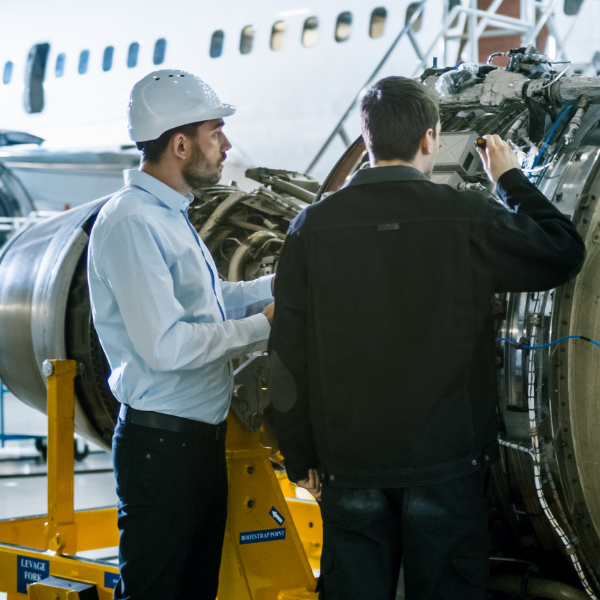
Aeronautical Engineering Eligibility

Top Aerospace & Aeronautical Recruiters in India

  • Hindustan Aeronautics Limited (HAL)
  • Defence Research and Development Organisation (DRDO)
  • Indian Space Research Organisation (ISRO)
  • Air India
  • Indian Airlines
  • Helicopter Corporation of India
  • Defence Research and Development Laboratory (DRDL)
  • National Aerospace Laboratories (NAL)
  • Aeronautical Development Establishment (ADE)
  • Civil Aviation Department
  • Private Airlines
  • Flying Clubs
  • TATA Advanced Systems
  • Mahindra Aerospace
  • Taneja Aerospace
  • Larsen & Toubro

Top Colleges for Aerospace & Aeronautical Engineering in India

  • Indian Institute of Technology, Madras – B.Tech. in Aerospace Engineering
  • Indian Institute of Technology, Bombay – B.Tech. in Aerospace Engineering
  • Indian Institute of Technology, Kharagpur – B.Tech. in Aerospace Engineering
  • Indian Institute of Space Science and Technology (IIST)
  • Indian Institute for Aeronautical Engineering & Information Technology (IIAEIT)
  • Indian Institute of Aeronautical Engineering (IIAE)
  • Indian Institute of Technology, Kanpur – B.Tech. in Aerospace Eng.
  • Indian Institute of Technology
  • Indian Institute of Space Science and Technology



Call our Aviation Experts for Free Career Guidance

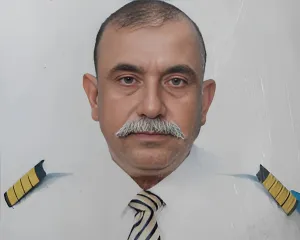
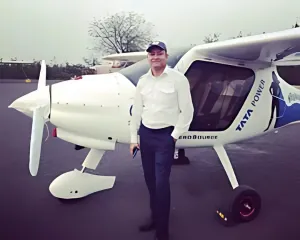
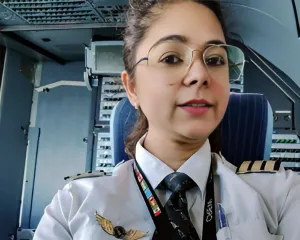
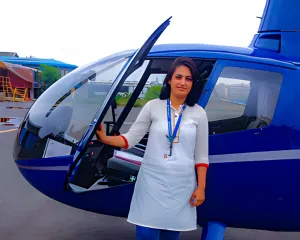
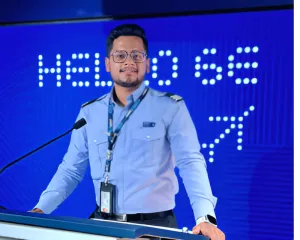
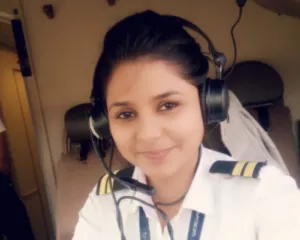
Meet Your Aviation Mentors

Learn from experts who’ve lived the aviation journey.

AME Licences Category ACC TO DGCA Govt. of India

DGCA, Govt. of India issues different categories of Aircraft Maintenance Engineer (AME) licences, authorizing engineers to certify and ensure the airworthiness of aircraft in their respective fields.

CATEGORY A

Category A license holder to issue certificates for release to service after minor scheduled line maintenance and simple defect rectification.

CATEGORY B1

Category B1 licence holder to issue certificates for release to service and act as support staff following the maintenance performed on aircraft structure.

CATEGORY B2

Certificates of release to service after maintenance on avionic and electrical systems, avionics and electrical system within engine & mechanical systems.

CATEGORY B3

Category B3 licence holders to issue certificates of release to service after maintenance on aeroplane structure, mechanical & electrical.

CATEGORY C

Category C licence holders to issue certificates of release to service after base maintenance in respect of an aircraft of the type endorsed on the licence.

CATEGORY B2L

Category B2L licence holder to issue certificates of release to service and to act as B2L support staff for the maintenance performed on electrical systems; maintenance performed on avionics systems within the limits of the system ratings specifically endorsed on the licence; and when holding the ‘airframe system’ rating, performance of electrical and avionics tasks within power plant and mechanical systems, requiring only simple tests to prove their serviceability.

CATEGORY L

Category L licence holder to issue certificates of release to service and to act as L support staff for maintenance performed on aircraft structure, power plant and mechanical and electrical systems; work on radio, Emergency Locator Transmitters and transponder systems; and work on other avionics systems requiring simple tests to prove their serviceability.

Frequently Asked Questions -FAQ's

An Aircraft Maintenance Engineer (AME), also Licensed Aircraft Maintenance Engineer (LAME or L-AME), is a licensed person who carries out and certifies aircraft maintenance.

Aircraft Maintenance Engineer (AME) ensures the airworthiness of an aircraft, whether it is a fixed-wing airplane or a helicopter. They identify problems and repair and overhaul aircraft structural, mechanical and electrical systems.

In India, Recent industry reports suggest that nearly 72,900 jobs for technicians and AMEs will be created in India across Airlines and MRO sector by 2035. The need is to equip the AMEs with skills that make them dynamic stakeholders of India’s economic future.

Aeronautical engineer work across design and development of aircraft parts, testing new aerodynamic and aviation system, quality management, and improvement maintenance.

“Aerospace/Aeronautical engineers design primarily aircraft, spacecraft, satellites, and missiles. In addition, they create and test prototypes to make sure that they function according to designs”.

(a) The applicant shall not be less than 16 years of age and physically fit. (b) The applicant shall have passed 10+2 examination with Physics, Chemistry, and Mathematics from a recognized Board (c) An applicant who passed their 3 years AICTE approved diploma in Aeronautical, Mechanical, Electrical, and Electronics engineering.

For the admission in AME colleges in India and abroad, there is the procedure that student can follow: Students can first fulfill the eligibility criteria for the AME course.

There is a direct Admission criterion. According to DGCA (Ministry of Civil Aviation) candidates can take direct admission to any organization which is approved for the AME training course. So, there is no need for any entrance examination.

No, there is no need to appear for any entrance exams. Moreover, DGCA (Ministry of Civil Aviation) who is the whole sole authority of Aviation in India doesn’t conduct any Entrance exam for the AME course.

No need of CET exam to take admission in AME course,according to DGCA direct admission criteria is there in all ame colleges in India.

DGCA AME license is issued by Indian civil Aviation authority i.e.,DGCA(Ministry of civil Aviation, Govt. Of India) and the EASA AME license is issued by European civil Aviation authority i.e.,EASA(European union Aviation safety Agency).

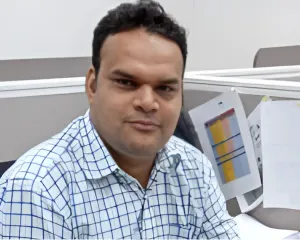
Voices of Success

Discover the inspiring journeys and real experiences of our students as they share how learning here has transformed their skills, confidence, and future.