Aviation Courses in India
Aviation courses in India offer diverse opportunities for students who dream of building a career in the rapidly growing aviation sector. These programs cover technical, operational, and management roles, preparing students for dynamic careers both in the air and on the ground.
From aircraft maintenance and engineering to pilot training, aviation management, and cabin crew careers, students can choose a course based on their interest, skills, and long-term goals in the aviation industry.
Aircraft Maintenance Engineering (AME)
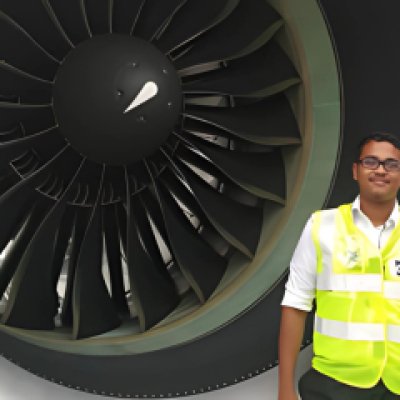
Aircraft Maintenance Engineering is a specialized aviation program that trains students to maintain, repair, troubleshoot, and inspect aircraft. AME professionals are responsible for ensuring the safety and airworthiness of an aircraft before every flight. The course focuses on practical training, hands-on workshops, and in-depth knowledge of aircraft systems. After completing the program and required DGCA licensing, students become certified professionals who can work with airlines, MRO organizations, airports, and aviation companies in India and abroad.
Aeronautical Engineering
Aeronautical Engineering deals with the study, design, development, and testing of aircraft that operate within the Earth’s atmosphere. The program builds strong knowledge in aerodynamics, aircraft structures, propulsion, flight mechanics, and materials science. Students learn how aircraft are designed, how they fly, and how various systems work together to ensure flight performance. This course is ideal for students who are passionate about aircraft technology and wish to build careers in aviation manufacturing companies, design laboratories, and research organizations.
Aerospace Engineering
Aerospace Engineering is a broader field that covers both Aeronautical (aircraft) and Astronautical (spacecraft) engineering. The course includes the study of aircraft, rockets, satellites, missiles, and space systems. Students learn about orbital mechanics, propulsion systems, advanced materials, and flight technology. As global space programs grow, aerospace engineering opens opportunities in government research centers, private aerospace companies, defense organizations, and space missions.
Commercial Pilot License (CPL)
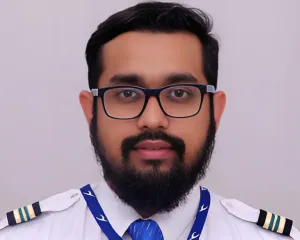
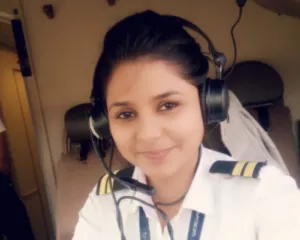
A Commercial Pilot License is a professional qualification that allows individuals to fly commercial aircraft. The training includes ground classes, simulator sessions, and actual flying experience under certified flying academies. Students learn navigation, meteorology, aircraft operations, aviation regulations, and emergency procedures. After completing the required flying hours and clearing DGCA exams, candidates become eligible to work as airline pilots, charter pilots, or flight instructors. CPL is a prestigious and rewarding career for those who dream of flying professionally.
BBA & BSc in Aviation Management
Aviation Management programs such as BBA or BSc focus on the business and administrative side of the aviation industry. These courses teach students about airline operations, airport management, aviation safety, cargo handling, hospitality, and customer experience. Unlike technical engineering courses, aviation management prepares students for leadership and operational roles in airlines and airports. Graduates can pursue careers in airline administration, ground operations, aviation logistics, air cargo, and airport services.
BSc Aviation in India
BSc Aviation is an undergraduate degree that provides fundamental knowledge of aviation, aircraft operations, airport functioning, and aviation safety. The program blends theoretical concepts with practical exposure to different areas of the aviation industry. Students learn about navigation, air regulations, meteorology, ground handling, and airline procedures. This course is suitable for students who want to explore multiple career paths within aviation, including roles at airports, airlines, aviation training academies, and logistics companies.
BSc Aeronautics in India
BSc Aeronautics focuses on the science of flight and aircraft operations. The course covers subjects such as aircraft systems, aerodynamics, aviation physics, and maintenance practices. It prepares students with a strong foundation in technical aviation knowledge. Many colleges integrate AME or aircraft maintenance modules in this degree, allowing students to gain both academic understanding and practical skills. Graduates can work in aviation engineering departments, maintenance organizations, or pursue further studies in aeronautical sciences.
BBA Aviation in India
BBA Aviation is a business degree that specializes in the aviation sector. It trains students in airline management, airport operations, aviation marketing, human resources, financial management, and customer service. The program is ideal for students who prefer managerial careers rather than engineering or pilot training. With the rapid growth of the Indian aviation industry, BBA Aviation graduates have opportunities in various departments of airports, airlines, travel companies, and aviation consultancies.
Cabin Crew / Air Hostess
Cabin Crew or Air Hostess training prepares students for a customer-facing role inside an aircraft. The course focuses on grooming, hospitality, in-flight safety, communication skills, emergency management, and passenger handling. Cabin crew members ensure comfort, safety, and service quality during flights. The profession offers attractive salaries, international travel opportunities, and a glamorous lifestyle. Students with good personality, confidence, and communication skills can build a successful career in this field.