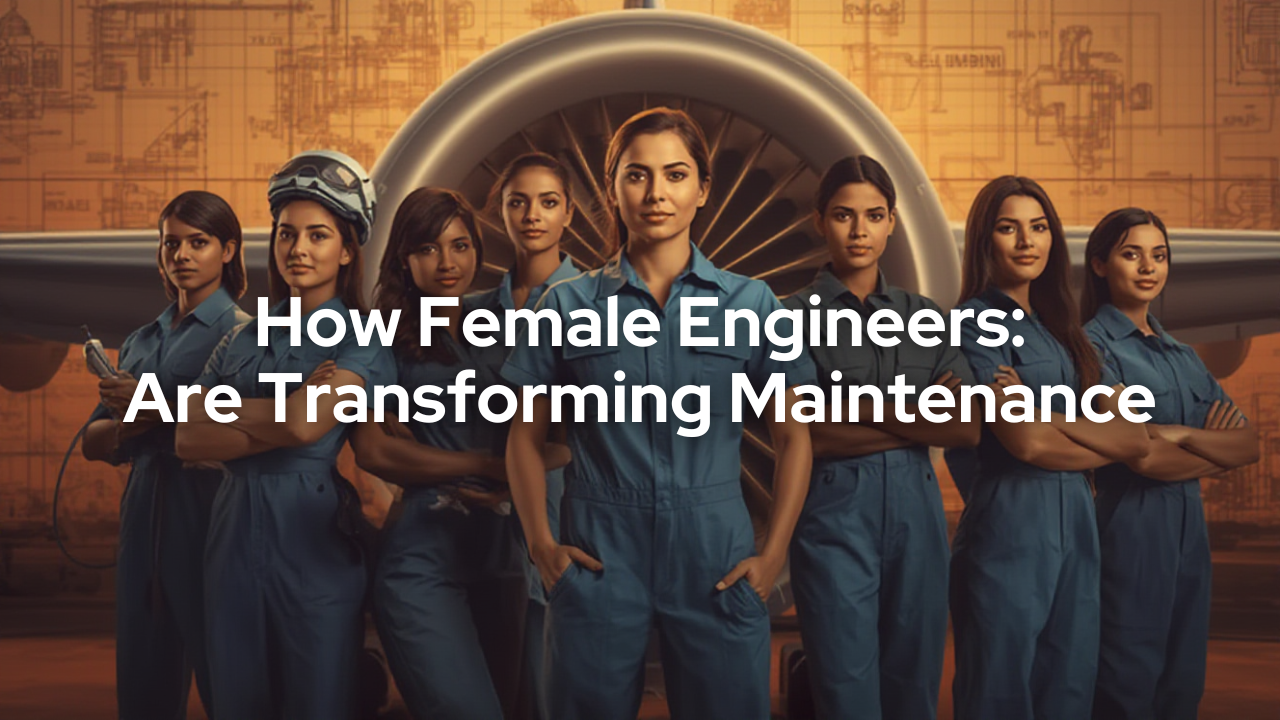
How Female Engineers Are Transforming Aircraft Maintenance in India
- AME
- July 18, 2025
The aviation sector in India is skyrocketing, fueled by rapid economic growth, burgeoning middle-class travel, and government initiatives like UDAN. Amid this boom, female engineers are stepping into roles historically dominated by men and redefining the face of Aircraft Maintenance Engineering (AME). From hangar workshops in Mumbai to MRO facilities in Delhi, women are proving their technical prowess, leadership capabilities, and innovative spirit.
In this article, you’ll explore the journey of these trailblazers, the impact they’re making, and how aspiring female AMEs can follow in their footsteps.
1. The Rise of Women in Indian Aviation Maintenance
India’s aviation maintenance industry has witnessed steady growth over the last decade. Yet, it wasn’t until recently that women began to break through entrenched gender norms. With increased awareness, scholarship programs, and targeted recruitment drives, more women are enrolling in AME courses and graduating with high honors. Today, female engineers are not just participants but innovators in the field, leading critical projects in airlines, MRO centers, and aerospace startups.
2. Breaking Barriers: Historical Context and Shifting Mindsets
Historically, societal expectations and a lack of representation kept women away from engineering trades in India. However, changes in educational outreach, STEM inclusion policies, and inspirational success stories have sparked a shift. Families and communities are recognizing that technical careers are not gender-specific. As a result, engineering colleges report a year-on-year increase in female AME enrollment, a trend that’s reshaping maintenance floors across the nation.
3. Spotlight on Trailblazers: Women Driving Innovation
- Captain Priya Nair (Quality Assurance Manager): After completing her DGCA-approved AME training, Priya introduced a digital inspection checklist system at a leading airline, reducing turnaround time by 20%.
- Engineer Anjali Gupta (Avionics Specialist): Anjali’s work on integrating advanced diagnostic software for cockpit systems earned her an industry innovation award in 2023.
- Technical Lead Rekha Sharma (MRO Operations): Rekha leads a team of 50 technicians at a major MRO facility, pioneering eco-friendly maintenance protocols that cut chemical usage by 30%.
These women exemplify how female engineers are driving process improvements, boosting efficiency, and promoting sustainability in aviation maintenance.
4. Educational Pathways: AME Courses and Beyond
Aspiring female AMEs in India can choose from a range of co-ed and women-only institutes approved by the DGCA. Key factors to consider:
- Curriculum Relevance: Ensure coursework covers aerodynamics, powerplant systems, avionics, and regulatory norms.
- Hands-On Workshops: Practical labs and live aircraft exposure build confidence and competence.
- Industry Tie-Ups: Institutes with strong airline and MRO partnerships often facilitate internships and placements.
- Supportive Environment: Women-centric mentorship, counseling, and scholarship opportunities foster an inclusive learning culture.
Beyond foundational AME training, many female engineers pursue advanced certifications such as EASA Part-66 modules or specialized avionics courses to sharpen their expertise and global employability.
5. Corporate Culture: Fostering Diversity and Inclusion
Leading airlines and MRO organizations in India are now embedding diversity and inclusion (D&I) at the core of their hiring and retention strategies. Initiatives include:
- Women’s Leadership Programs: Designed to fast-track high-potential female engineers into management roles.
- Flexible Work Arrangements: Shift rotations, part-time roles, and remote diagnostic assignments support work-life balance.
- Equal Opportunity Policies: Transparent pay structures and unbiased performance reviews ensure fair treatment for all engineers.
These cultural shifts are enabling women to build long-term, fulfilling careers in aircraft maintenance.
6. Technological Advances: Leveraging Skills for Modern Maintenance
As aviation technology evolves, female engineers are at the forefront of adopting and customizing innovations:
- Predictive Maintenance Tools: Women engineers analyze big data streams to anticipate part failures and schedule proactive repairs.
- Augmented Reality (AR) for Training: AR-based tutorials help technicians visualize complex assemblies, reducing learning curves by up to 40%.
- 3D Printing of Spare Parts: Engineers like Dr. Shweta Malhotra lead R&D in additive manufacturing, fabricating low-volume parts on demand for legacy aircraft.
By mastering these technologies, female AMEs are enhancing maintenance quality, reducing costs, and accelerating turnaround times.
7. Mentorship and Networking: Building a Supportive Ecosystem
Community and mentorship play crucial roles in empowering women in AME:
- Women in Aviation India (WAI-India): Hosts annual conferences, webinars, and scholarship awards for female aviation professionals.
- ALUMNI Networks: Institutes encourage alumni chapters where experienced graduates mentor current students.
- Online Forums & Social Media Groups: Platforms like LinkedIn groups facilitate knowledge sharing, job referrals, and peer support.
These networks offer guidance on career progression, work-life integration, and technical challenges, fostering a collaborative ecosystem for female engineers.
8. Impact on Safety and Quality Standards
Research shows that diverse engineering teams often achieve higher safety compliance and quality outcomes. Female AMEs bring unique perspectives to risk assessment, checklists, and procedural audits. Their meticulous approach has led to measurable improvements in:
- Reduction of Human Error: Attention to detail in inspections catches subtler faults.
- Enhanced Documentation: Comprehensive reporting aids regulatory audits and continuous improvement.
- Team Communication: Empathetic leadership styles promote open dialogue, reducing miscommunication.
As a result, airline operators in India are recognizing the strategic advantage of gender-diverse maintenance teams.
9. Challenges and How to Overcome Them
Despite progress, female engineers may face challenges such as:
- Gender Bias: Subtle skepticism or early-career microaggressions.
- Work-Life Balance: Irregular shifts can conflict with family responsibilities.
- Limited Representation at Senior Levels: Fewer role models in top-tier management.
Strategies to address these hurdles include seeking mentorship, advocating for flexible policies, and showcasing achievements through internal presentations and industry forums. By voicing their needs and successes, women can accelerate cultural change.
10. Future Outlook: Scaling New Heights
The future of aircraft maintenance in India is bright, with projected MRO market growth surpassing $8 billion by 2028. Female engineers will play pivotal roles in:
- Green Aviation Initiatives: Leading maintenance protocols for biofuel-powered and electric aircraft.
- Digital Twin Technologies: Creating virtual replicas of aircraft to simulate maintenance scenarios.
- Global Mobility Programs: Exchanging talent with international MRO hubs to import best practices.
By staying ahead of trends, continuously upskilling, and participating in cross-border collaborations, women in AME will continue to transform the industry.
Conclusion
Female engineers are not just participants but changemakers in India’s aircraft maintenance sector. By overcoming barriers, harnessing advanced technologies, and championing diversity, they’re elevating safety, efficiency, and innovation.
Recent Posts













































Share This News